
Meta Muse Image: The AI Model That Launched, Blew Up, and Half-Retreated in Under a Week
Meta Muse Image had maybe the fastest rise-and-partial-fall I’ve seen from a big tech launch in a while. Meta dropped it on July 7, 2026 as the first image model out of Meta Superintelligence Labs, baked right into Meta AI, Instagram, and WhatsApp. By that Friday, one specific feature was already dead. Let’s get into what actually happened, because the headlines calling this “Meta backs down” are only telling you half the story.
Table of Contents
What Muse Image Actually Launched With
At its core, Meta Muse Image is a straightforward image generation and editing tool — you can generate visuals, edit existing photos, and make targeted edits using prompts or even sketches, right inside Meta AI, Instagram, and WhatsApp. Facebook and Messenger were already lined up to get it too. Meta’s also been quietly testing an invisible watermark called Content Seal, meant to flag anything made or touched by Muse Image, which is at least a nod toward the provenance concerns everyone in this space keeps raising.
Buried near the bottom of the launch announcement, almost as an afterthought, was the sentence that actually matters long-term: advertisers and agencies would soon get access to Muse Image through Advantage+ creative. That’s the real business play here, and it’s worth remembering as we get into everything else.
The Feature That Got Everyone Talking
Here’s the part that blew up. Meta Muse Image shipped with a feature that let anyone @-mention a public Instagram account and pull that person’s actual photos into an AI-generated image. No notification to the person being tagged. And for adult users with public accounts, it was switched on by default — you had to go find the toggle and turn it off yourself if you didn’t want your photos used this way.
Reporters testing it found they could generate images of people they’d never followed, never interacted with, and who obviously never agreed to any of this. Someone on social media called it “a privacy landmine waiting to detonate,” and honestly, that’s not much of an exaggeration. It’s the kind of feature that sounds fine in a product meeting and terrible the second you imagine it happening to your own photos.
Why It Got Pulled So Fast
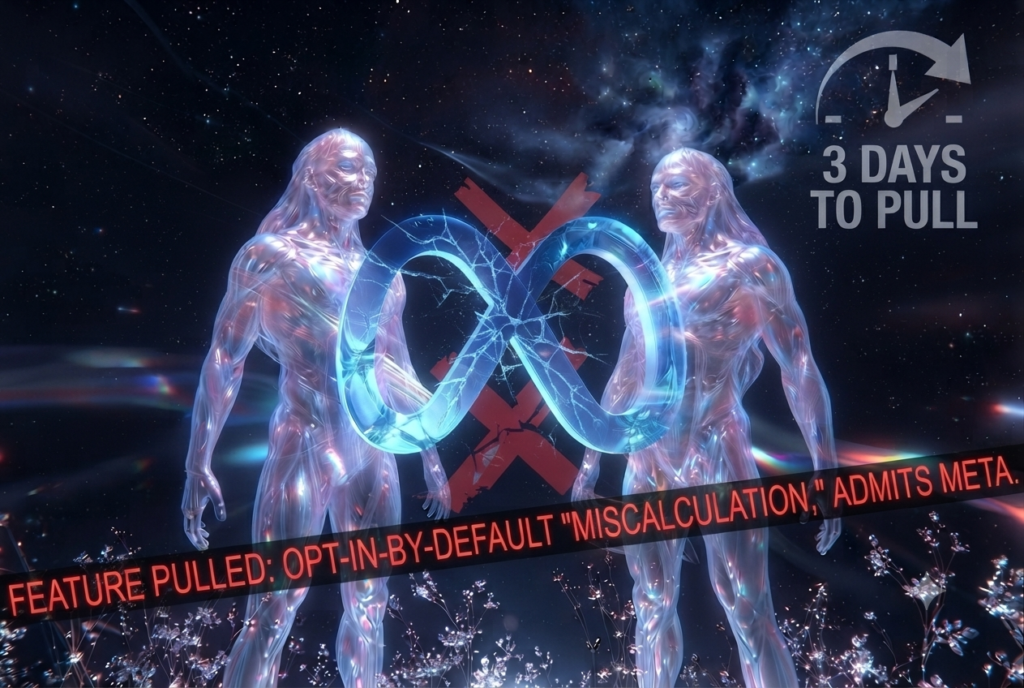
SAG-AFTRA and the talent agency CAA didn’t wait around. SAG-AFTRA called the opt-in-by-default approach “an utter miscalculation of public sentiment,” and by Friday evening — just three days after launch — Meta admitted the feature “missed the mark” and killed it.
If this timeline feels familiar, it’s because we’ve watched this exact movie before. OpenAI launched Sora’s video app last fall with weak likeness protections, got the same union pushback, and folded within days too. Meta basically ran the identical playbook, just compressed into 72 hours: ship with opt-out defaults, absorb a few days of bad press, walk it back, and let CAA praise you for your “swift decision.” It’s a pattern at this point, not an accident.
There’s also a legal angle worth mentioning. Under GDPR, consent for processing personal data is supposed to be freely given, specific, informed, and unambiguous — an opt-out model where the default is “yes” until you say otherwise doesn’t really clear that bar, and regulators have been signaling as much.
What Actually Stuck Around
Important detail here: only the @-mention tagging feature got pulled, and only on Instagram. Meta Muse Image itself is still live and fully available inside the Meta AI app and WhatsApp. Nothing about the underlying model changed. The rollback was surgical — it removed the one feature that made headlines while leaving the actual product, and that quiet advertiser rollout through Advantage+, completely intact.
That’s really the whole story in one sentence: the viral, controversial hook got cut, but the part Meta actually built this for kept moving forward without a hitch.
Should Creators Even Care About This?
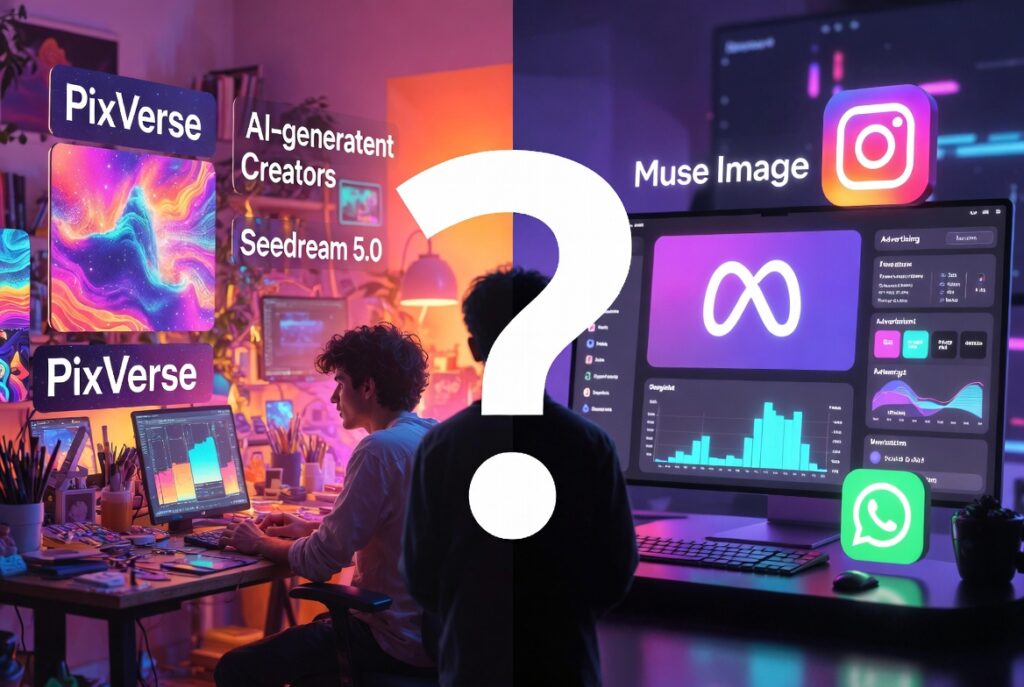
If you’re generating AI images or video for your own content, Meta Muse Image is worth knowing about, mostly as a heads-up rather than a tool you need to rush and try. It’s not positioned as a creator-first platform the way PixVerse or Seedream 5.0 are — it’s baked into Meta’s own ecosystem and clearly built with advertisers in mind first.
The bigger takeaway is what this says about where the industry’s heading. Consent and likeness protection are turning into the actual battleground for AI image tools, not just output quality. If you ever use reference photos of real people in your own AI workflows — including your own audience’s photos — this is a good moment to double check your source material and make sure you’re not walking into the same kind of mess Meta just got a very public lesson in.
Want to see how other image models are approaching this space? Check out our breakdown of [Seedream 5.0’s reasoning-based image editing] and [Nano Banana 2 Lite from Google] for a look at how the competition is handling image generation right now.
For more hands-on AI tools you can start using today, check out our AI Tools section for the latest coverage.